




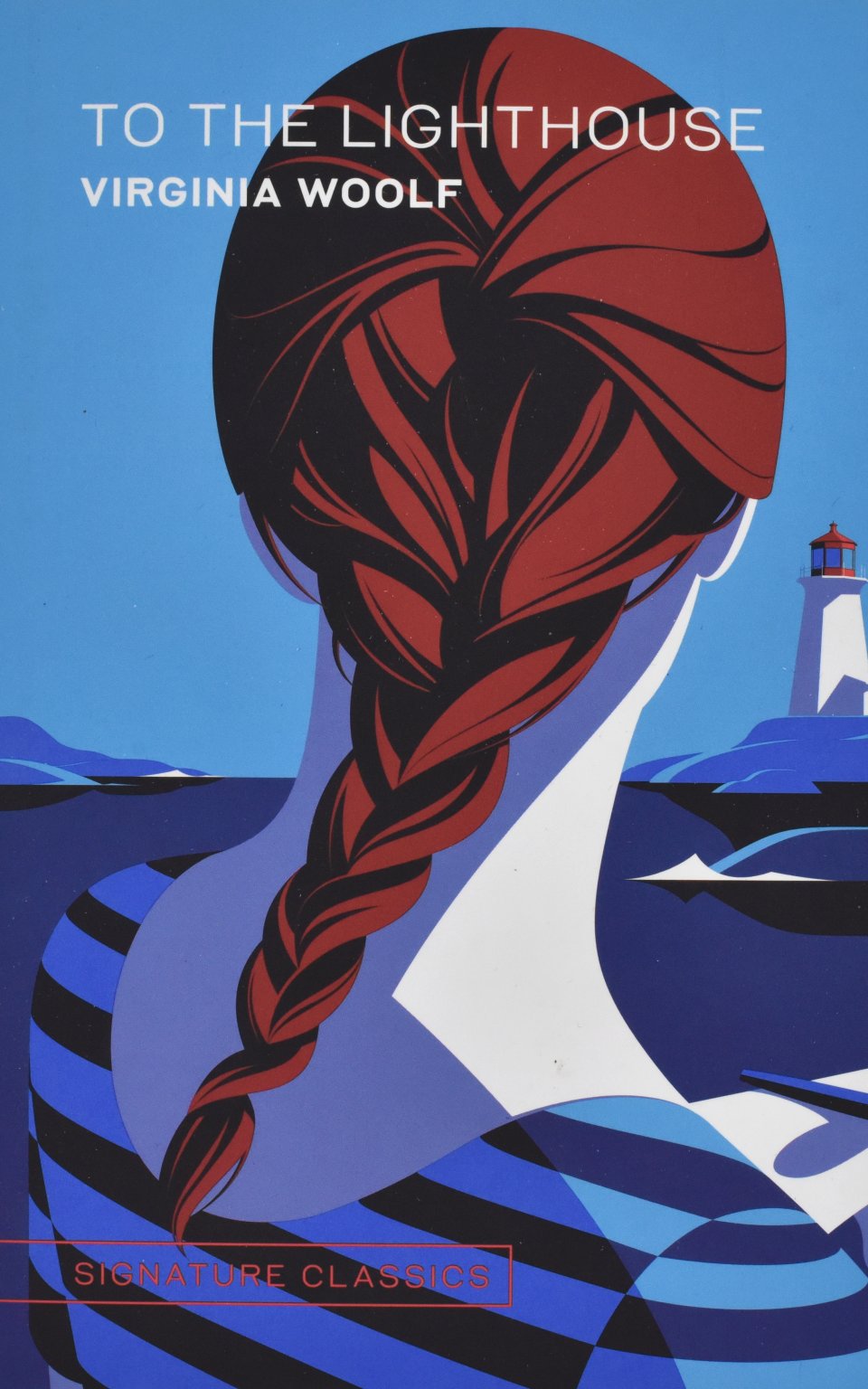
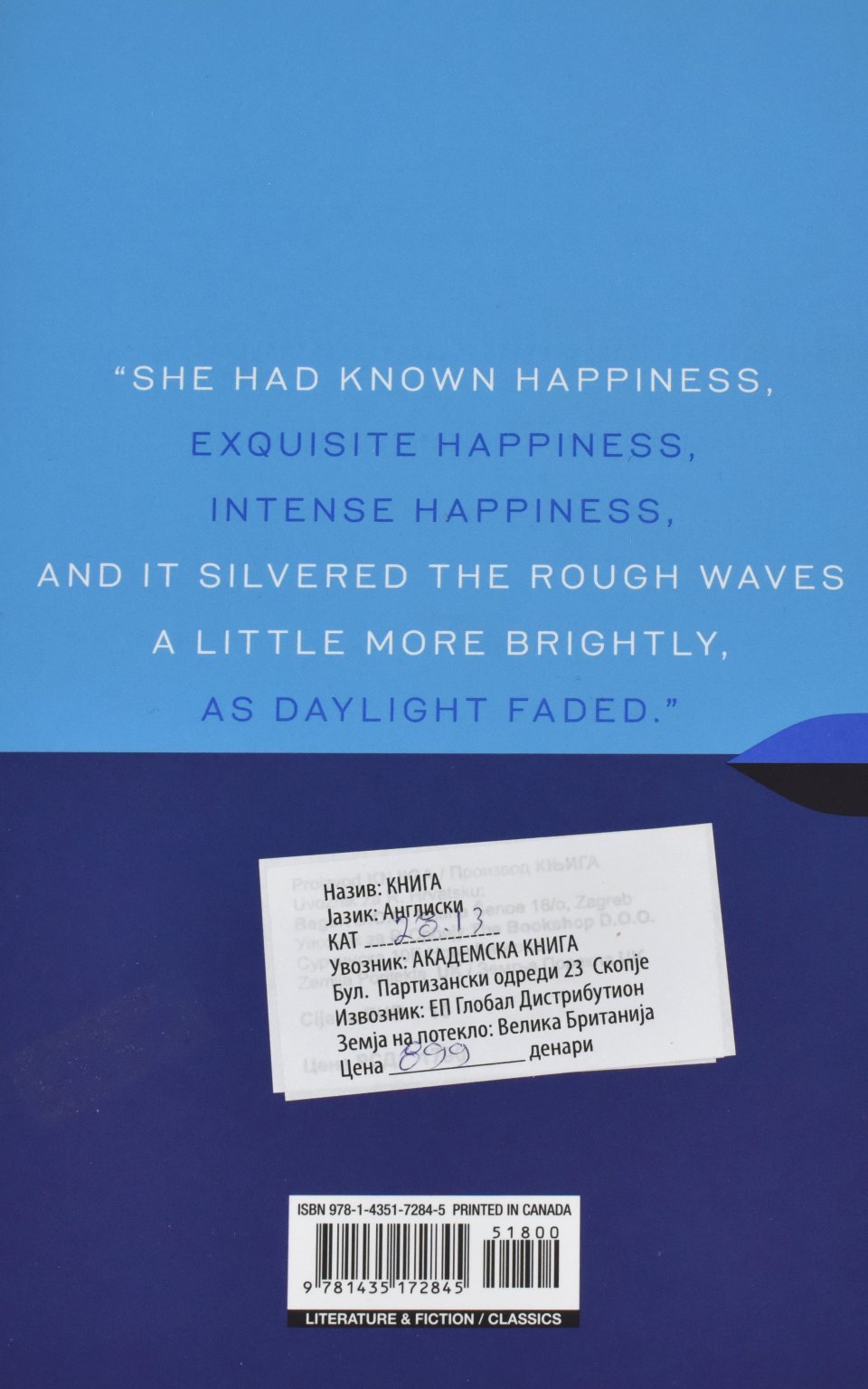
In “To the Lighthouse,” Virginia Woolf crafts a poignant exploration of human emotions and the passage of time. The novel opens with the evocative line, “She had known happiness, exquisite happiness, intense happiness, and it silvered the rough waves a little more brightly, as daylight faded,” setting the stage for a profound journey through the complexities of life and relationships. Woolf’s innovative stream-of-consciousness writing style immerses readers in the inner thoughts of her characters, creating a rich tapestry of experience that resonates deeply.
This modernist classic delves into themes of perception, memory, and the transient nature of happiness, making it a vital read for those interested in psychological depth and existential inquiry. With motifs of light and time, Woolf invites readers to reflect on the fleeting moments that shape our lives.
Recommended for literature enthusiasts, students, and anyone seeking a deeper understanding of the human condition, “To the Lighthouse” remains a cornerstone of feminist literature and modernist thought. Its historical significance lies in its challenge to traditional narrative forms, paving the way for future writers.
Join Woolf on this transformative journey and discover why “To the Lighthouse” continues to captivate readers around the world.